A well-rounded strength workout involves more than targeting individual muscles or repeating the same exercises. Plate-loaded machines let gym members train different areas of the body with adjustable resistance that suits their abilities and goals. Understanding how plate machines support full-body training can make it easier to build effective routines and get more out of each session. From exercise selection to strength progression, here’s how these machines fit into a comprehensive training program.
Target Major Muscle Groups
Plate-loaded machines let you work major muscle groups with exercises that target specific areas of the body. Depending on the equipment available, gym members can strengthen their upper and lower body without relying exclusively on free weights. Combining different machines within a workout creates opportunities for balanced muscle development and a more comprehensive strength-training routine.
Different types of plate-loaded machines target specific muscle groups:
- Chest press and incline press machines target the pectoral muscles while engaging the shoulders and triceps.
- Seated row and lat pulldown machines strengthen the latissimus dorsi, rhomboids, and other back muscles.
- Shoulder press machines primarily target the deltoids while engaging the triceps.
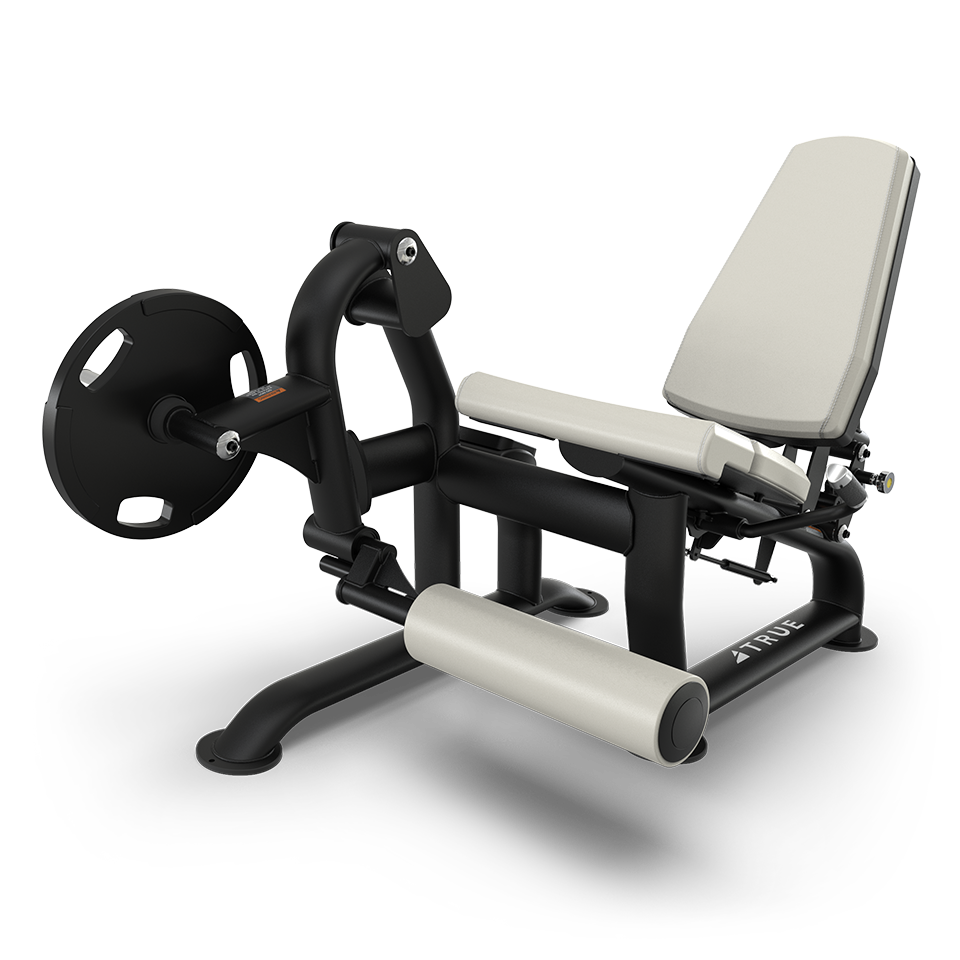
- Leg press, squat, and leg extension machines work major lower-body muscles, including the quadriceps and glutes.
- Leg curl machines isolate the muscles along the back of the thighs.
Build Strength With Adjustable Resistance
One advantage of plate-loaded machines is the ability to modify resistance by adding or removing weight plates. Users can select a challenging load based on their abilities rather than being limited to predetermined weight-stack increments. When evaluating commercial plate-loaded gym equipment, consider how different machines accommodate a range of strength levels and exercise preferences.
This flexibility also makes plate-loaded machines useful for different training objectives, from building muscular endurance to increasing overall strength. Users can do lighter sets with more reps or choose heavier loads for lower-rep strength work, depending on their experience and goals. Adjustable intensity is another example of how plate machines support full-body training for users with different fitness needs.
Apply Progressive Overload Safely
Progressive overload involves gradually making exercises more challenging as your muscles get stronger. With plate-loaded machines, users can increase resistance over time to continue building strength while maintaining proper technique. However, adding too much weight too soon can compromise form and put unnecessary stress on muscles and joints. By making small increases in resistance and allowing enough time to recover, users can keep progressing without sacrificing movement quality.
Support Unilateral Strength Training
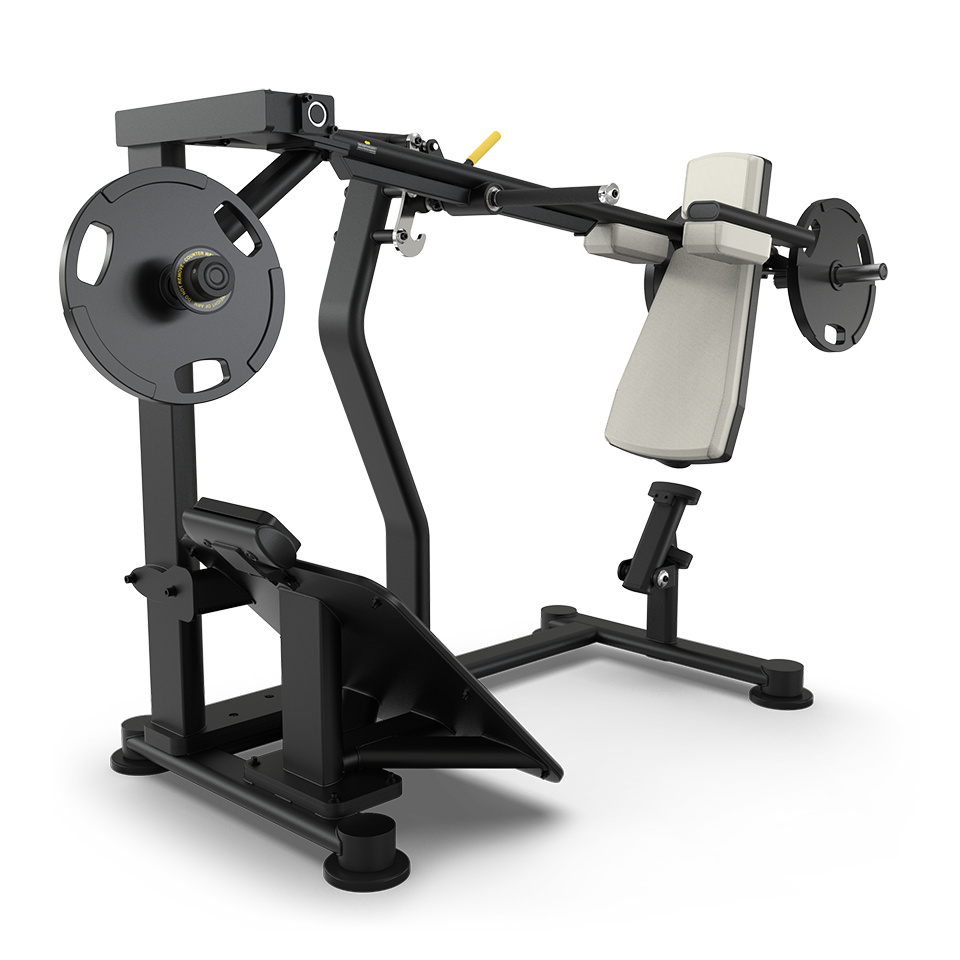
Some plate-loaded machines feature independent movement arms that allow each side of the body to work separately. This design lets users train one arm or leg at a time instead of moving both sides together. Unilateral exercises are particularly useful for developing balanced strength and improving control during individual movements.
Independent movement also makes it easier to notice differences in how each side performs an exercise. For example, a machine with independently moving press arms may reveal that one arm struggles to complete the same number of repetitions as the other. These observations give users a starting point to adjust resistance and refine their training routines.
Address Strength Imbalances Between Sides
Strength imbalances can develop when one side of the body consistently does more work during exercises that engage both sides simultaneously. Unilateral training lets each side complete a movement without relying on the stronger side to compensate. Users can start with a resistance level appropriate for their weaker side and focus on consistent technique through each repetition. Over time, this training may reduce strength differences and encourage more balanced muscle development.
Encourage Controlled Movement Patterns
Many plate-loaded machines guide resistance through a defined movement path, reducing the need to coordinate the weight in multiple directions. With fewer stabilization demands, users can focus on proper positioning and controlling each repetition. Although the level of movement guidance varies by machine design, proper setup and exercise technique remain important.
Moving with control also encourages users to pay closer attention to both the lifting and lowering phases of an exercise. Instead of relying on momentum, they can maintain a deliberate pace that keeps the targeted muscles engaged.
Accommodate Different Fitness Levels
Plate-loaded machines can accommodate beginners and experienced lifters alike when the equipment and resistance match their abilities. Newer gym members may appreciate guided movement paths and adjustable settings that make learning proper positioning more manageable. Meanwhile, experienced users can increase resistance or modify their training variables to create new challenges as their strength improves.
Equipment adjustability also affects how comfortably different users can perform an exercise. Features such as adjustable seats, handles, and starting positions allow individuals to find a setup that better fits their body dimensions and range of motion.
Create Balanced Full-Body Workout Routines
An effective full-body routine includes exercises that address major muscle groups through a variety of movement patterns. You can combine plate-loaded machines to create workouts that balance pushing and pulling movements while incorporating lower-body training. Complementary exercises also prevent users from repeatedly targeting the same muscles while neglecting others.
Exercise order can affect performance, especially during workouts that engage several major muscle groups. Doing demanding compound movements early in a session, when fatigue is lower, often lets users maintain better technique and handle more resistance. Alternating between upper- and lower-body exercises can also give certain muscles time to recover before they’re needed again. Between workouts, sufficient rest allows muscles to adapt to training demands and prepares the body for future sessions.
Complement Other Strength Training Equipment
Plate-loaded machines are valuable additions to a strength-training routine, but they don’t have to be the only equipment users rely on. Free weights challenge balance and coordination in many exercises, while cable machines let users train through a wide range of movement angles. Selectorized machines offer another resistance option, often with smaller weight increments and simpler adjustments.
Combining these equipment types gives gym members more flexibility when building workouts around their goals. Someone might use a plate-loaded leg press to build lower-body strength, then perform dumbbell lunges to challenge single-leg stability. Adding cable exercises for rotational core training introduces another movement pattern, creating a routine that develops strength through different types of resistance and movement.
Getting stronger isn’t just about lifting heavier weights; it’s also about choosing exercises that work well together. Plate-loaded machines let users build routines that challenge different muscle groups without making every workout overly complicated. By balancing movement patterns and adjusting resistance, gym members can make each session more purposeful. The result is a strength-training routine that can evolve alongside their abilities and long-term fitness goals.