If you’re looking for a workout that challenges your body without putting excessive stress on your joints, spin classes are worth considering. Indoor cycling lets you adjust the intensity to your fitness level while still giving you a full cardiovascular workout. Research highlights the science-backed benefits of spin classes, from improved heart health and muscular endurance to better mood and metabolic function. Here’s a closer look at how spinning affects your body and what you can gain from regular sessions.
Melhora a saúde cardiovascular
Spin classes provide aerobic exercise that challenges your heart and lungs through continuous pedaling and changes in workout intensity. As your heart rate increases, your cardiovascular system works harder to deliver oxygen-rich blood to your muscles. With regular participation, indoor cycling can improve cardiovascular fitness while supporting healthy blood pressure and circulation.
Research suggests that indoor cycling may improve aerobic capacity and certain markers of cardiovascular health. As your fitness improves, everyday activities like climbing stairs or walking longer distances may become less demanding. These improvements also contribute to the long-term heart health benefits associated with regular aerobic exercise.
Intervals and Aerobic Capacity
Many spin classes alternate between challenging intervals and periods of lighter pedaling to build aerobic fitness. During higher-intensity efforts, your heart and lungs work harder to supply oxygen to active muscles. Over time, interval training can improve VO2 max, which measures how much oxygen your body can use during intense exercise.
Builds Muscular Strength and Endurance
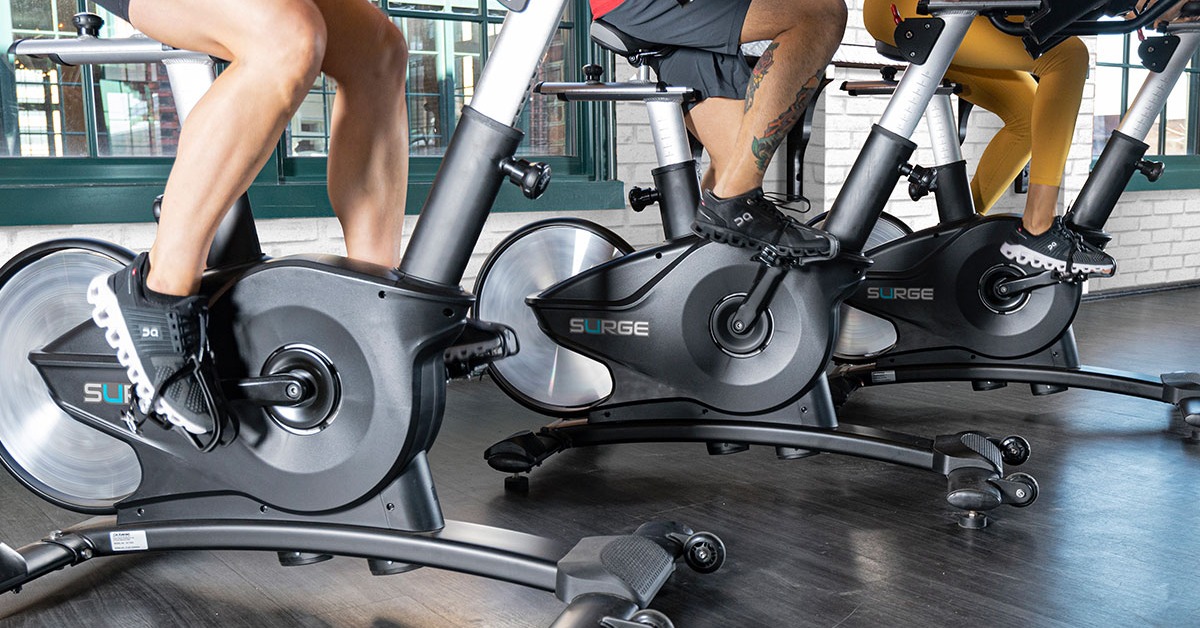
Building muscular endurance is another science-backed benefit of spin classes, especially for people looking to sustain physical activity for longer periods. Spinning engages several major lower-body muscle groups as you pedal against adjustable resistance. Higher resistance challenges these muscles to produce more force, while sustained pedaling trains them to work longer without tiring. It’s an effective way to build muscular endurance and complement other exercises.
Several muscle groups contribute to a smooth, controlled pedal stroke:
- Quadriceps extend the knees as you push the pedals downward.
- Hamstrings assist with knee flexion and contribute throughout the pedal cycle.
- Glutes support hip extension and generate force during more demanding efforts.
- Calves assist with ankle movement and transfer force through the pedals.
- Core muscles stabilize your torso and maintain proper posture while riding.
Burns Calories and Supports Weight Management
Spin classes increase energy expenditure by keeping large muscle groups active throughout the workout. Depending on the intensity and duration of each session, indoor cycling can contribute to the calorie expenditure needed for weight management. Consistent indoor cycling may improve body composition, especially when paired with healthy eating habits.
One advantage of spinning is that you can adjust the difficulty throughout a session without interrupting your workout. This makes it easier to alternate between manageable efforts and more demanding intervals based on your abilities. When performed consistently, these sessions can support weight management as part of a balanced exercise routine.
What Determines Calories Burned?
The number of calories you burn during a spin class depends on several factors, including your body weight, individual metabolism, and workout intensity. Resistance and pedaling speed also influence how much energy your muscles use throughout the session. While longer or more challenging workouts generally burn more calories, individual differences in fitness level and physiology mean results can vary from person to person. Rather than focusing only on calorie estimates, track your workout duration, resistance levels, and perceived exertion to measure progress.
Reduces Stress and Boosts Mood
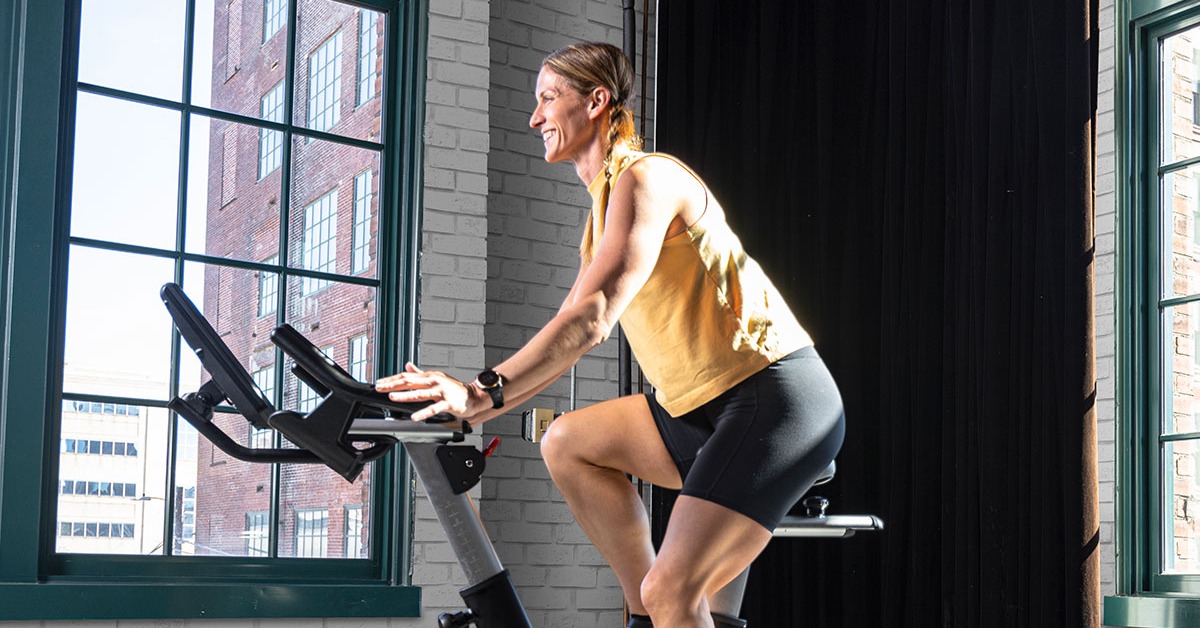
Spin classes offer a chance to step away from everyday responsibilities. According to the Centers for Disease Control and Prevention (CDC), exercise offers many benefits for adults. Moderate-to-vigorous exercise can reduce short-term feelings of anxiety and improve sleep quality. When performed regularly, physical activity is also associated with a lower risk of depression and anxiety.
The structure of a spin class can make these benefits particularly appealing if you enjoy guided exercise. Following an instructor’s cues and riding to the rhythm of music gives you something to focus on beyond daily stressors. Finishing a challenging session can also give you a sense of accomplishment that carries into the rest of your day.
Provides a Low-Impact Workout
Unlike running or jumping, spinning keeps your feet supported by the pedals, eliminating the repeated ground impacts associated with those activities. This makes stationary cycling a potentially joint-friendly option for people who want cardiovascular exercise without excessive impact. Remember, low-impact doesn’t mean strain-free, so proper bike positioning and manageable resistance still matter for a comfortable ride. Commercial exercise bikes can accommodate riders of different heights and fitness levels with adjustable positioning and resistance settings.
A few simple adjustments can make indoor cycling more comfortable and reduce stress on your joints:
- Set the seat so your knee maintains a slight bend at the bottom of the pedal stroke.
- Position the handlebars at a comfortable height to avoid excessive strain on your back and shoulders.
- Keep your knees tracking in line with your feet throughout each pedal stroke.
- Use enough resistance for a controlled pedaling motion without placing excessive pressure on your joints.
- Build up workout difficulty over time rather than making sudden changes in resistance or duration.
- Reduce intensity or stop exercising if joint pain develops.
Encourages Consistent Workouts
Maintaining a fitness routine isn’t always easy, especially when workouts feel repetitive or hard to fit into your schedule. Spin classes provide a structured environment where instructors guide participants through each phase of the workout, from warm-up to cool-down. With the session planned in advance, you can focus on exercising instead of deciding what to do next.
The group setting can also make workouts more enjoyable for people who prefer exercising alongside others. Music and an encouraging instructor add energy to each session, while familiar classmates can create a sense of community. When exercise feels rewarding and fits into a schedule, it may be easier to maintain the habit.
The benefits of spin classes aren’t limited to a single workout. Over time, consistent indoor cycling can strengthen cardiovascular fitness, build muscular endurance, and support your overall well-being. Spinning is particularly useful because it’s flexible, letting you adjust the difficulty as your fitness level and goals change. It’s also a lot of fun! With proper technique and gradual progress, you can turn each session into another step toward better long-term health.