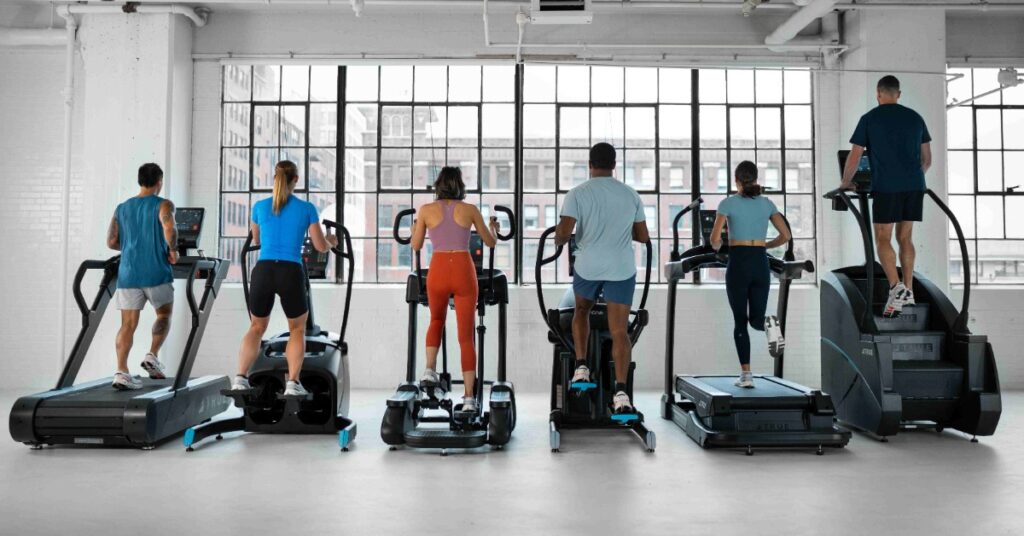
Advanced features and modern technology can make commercial cardio equipment appealing, but they don’t necessarily make it comfortable to use. Everything from pedal positioning to handle placement affects how naturally the body moves during exercise. These design considerations show why ergonomics matters in cardio equipment and why it should be part of the selection process. Keep these considerations in mind to choose machines that support safe, comfortable workouts.
Addresses Different Cardio Equipment Needs
Although the same ergonomic principles apply across cardio machines, each equipment type presents its own design considerations. A treadmill, for example, supports a completely different movement pattern than a stationary bike. So, the features that improve comfort and positioning won’t be identical.
Here are some important ergonomic features to consider for different types of cardio equipment:
- Treadmills should provide enough running space for a natural stride, with cushioning that reduces impact during exercise.
- Ellipticals should support smooth, natural movement without forcing users into an uncomfortable stride.
- Upright bikes should allow users to adjust their seating position to maintain proper alignment while pedaling.
- Recumbent bikes should provide comfortable back support and allow users to get on and off easily.
- Cross trainers should encourage coordinated upper- and lower-body movement through a comfortable range of motion.
Encourages Proper Posture and Alignment
Good posture helps keep cardio workouts comfortable and efficient. When equipment fits the user’s body, it’s easier to maintain proper alignment without making awkward adjustments or compensating for an uncomfortable position. Ergonomic features, including appropriately placed handles and supportive seating, can make a noticeable difference in how someone moves during exercise.
Poor equipment fit, on the other hand, may cause users to lean too far forward or round their shoulders. These positions can create unnecessary strain, especially during longer or more intense workouts. Equipment that supports proper alignment lets users focus on their exercise rather than constantly correcting their posture.
Maintaining Alignment Throughout Cardio Workouts
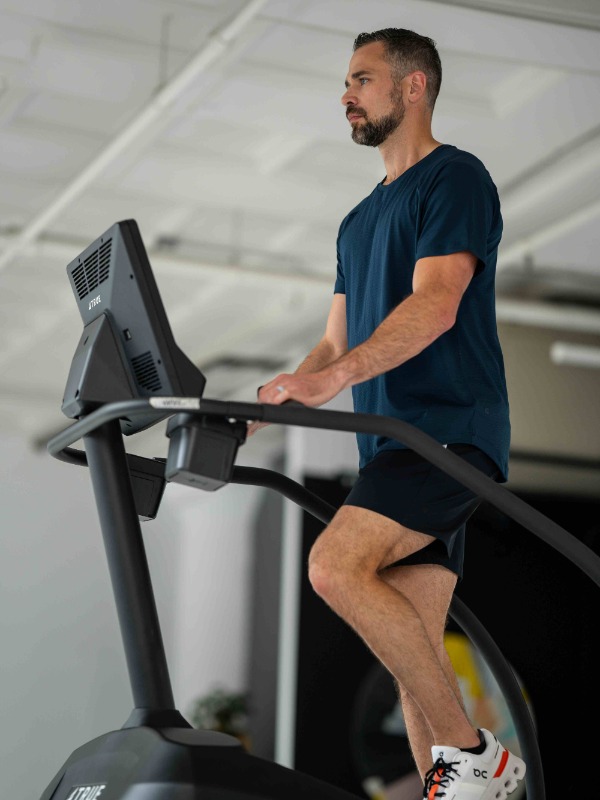
Proper alignment should remain comfortable even as users increase their speed, resistance, or workout intensity. On treadmills, an upright walking or running position can reduce unnecessary strain on the back and shoulders. Exercise bikes should allow users to reach the pedals and handlebars comfortably without excessive stretching or hunching. Similarly, ellipticals with well-positioned pedals and handles can encourage coordinated upper- and lower-body movement.
Supports More Natural Body Movement
Ergonomic features are important in cardio equipment because they support natural movement rather than forcing users into uncomfortable positions. This involves considering biomechanics, or how muscles and joints work together as the body moves.
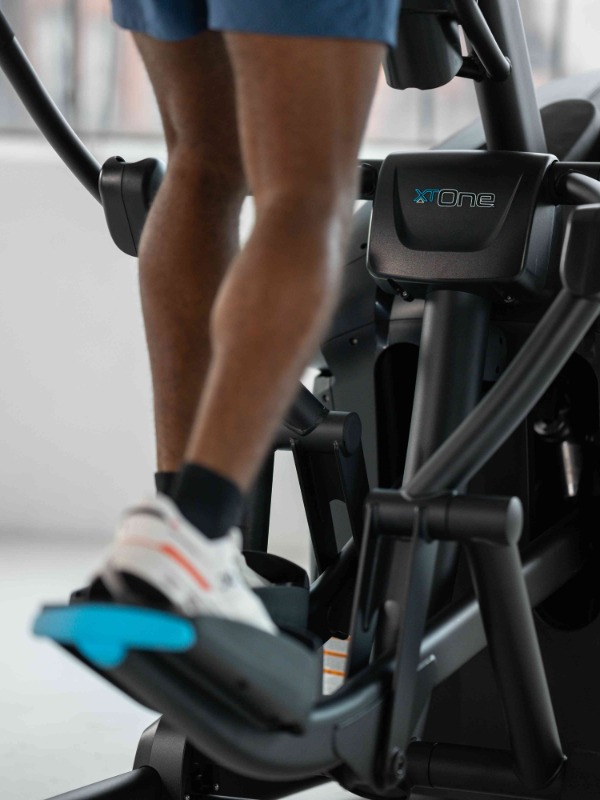
When a machine follows natural movement patterns, exercise can feel smoother and more controlled. For example, an elliptical with an appropriate pedal path allows users to move without forcing their knees or hips into awkward positions. Exercise bikes also benefit from thoughtful design, as proper pedal positioning supports a fluid motion throughout each rotation.
Stride Length and Range of Motion
Stride length and range of motion influence how comfortably someone can move through an exercise. On an elliptical, a stride that feels too short or too long may interfere with the user’s natural movement pattern. Machines with adjustable stride lengths or motion settings offer greater flexibility for different body proportions and preferences. This flexibility is particularly valuable in commercial gyms, where members of varying heights and mobility levels use the same equipment.
Reduces Physical Strain During Exercise
Repetitive cardio movements can strain muscles and joints, especially during longer workouts. Ergonomic design can reduce unnecessary stress by encouraging controlled movement and proper body positioning. When users feel stable and supported, they can exercise at their preferred intensity without adjusting their movements to compensate for an uncomfortable machine setup.
The type of cardio equipment also affects how the body experiences physical strain. Running on a treadmill involves repeated foot strikes, while cycling and elliptical workouts generally produce less impact from landing forces. Recognizing these differences allows facility managers to offer workout options that accommodate different physical needs and exercise preferences.
Impact Absorption and Joint Protection
Impact absorption is an important consideration for treadmills because walking and running involve repeated contact with the running surface. Cushioning systems can reduce some of the impact forces associated with these movements, although their effectiveness varies by machine and user. Ellipticals and exercise bikes provide lower-impact alternatives since users maintain continuous contact with the pedals. Offering several types of cardio equipment gives members greater flexibility to choose workouts that suit their joints and comfort levels.
Accommodates a Wider Range of Users
Commercial gyms serve people with different body proportions, fitness backgrounds, and mobility needs, so a single fixed setup won’t work equally well for everyone. Adjustable ergonomic features let members customize equipment to their needs and maintain more comfortable positioning. When evaluating commercial cardio gym equipment, facility managers should consider how easily users can make these adjustments.
Several features are particularly valuable in shared fitness environments:
- Adjustable seat height allows exercise bike users to find an appropriate leg position while pedaling.
- Fore-and-aft seat adjustments accommodate different leg lengths and seating preferences on compatible machines.
- Handlebar positioning provides a comfortable reach without excessive upper-body strain.
- Pedal design and placement influence foot positioning, stability, and lower-body alignment.
- Adjustable stride settings let users modify their movement patterns on compatible elliptical machines.
- Accessible controls allow users to change settings without disrupting their posture or exercise rhythm.
Creates a More User-Friendly Experience
Ergonomics also affects how easily members interact with cardio equipment before and during their workouts. Clearly positioned controls and straightforward adjustment mechanisms can make machines less intimidating, especially for people new to the gym. When settings are easy to understand and adjust, users can get started with fewer interruptions or requests for assistance.
Intuitive equipment can contribute to a smoother experience across the entire cardio floor. Members should be able to get on a machine, adjust it to their needs, and begin exercising without unnecessary difficulty. Prioritizing ease of use alongside physical comfort creates a more welcoming environment for people with different experience levels and abilities.
The right cardio equipment should feel comfortable and intuitive from the initial setup through the final minutes of a workout. For commercial fitness facilities, thoughtful ergonomic design can make a meaningful difference in how members use and experience each machine. Looking beyond basic functionality to consider movement mechanics and accessibility gives facility managers a clearer picture of what their members need.